Well, I guess it’s not literally his ABT debut since he danced Romeo and Juliet with Alessandra Ferri for her farewell performance (during which I totally fell for him). But it’s his first performance as a member of the company.

Tonight (or last night, rather, seeing as how it’s now after midnight), he danced Count Albrecht in Giselle (description of that ballet here, if you’re unfamiliar with it).
Well, as much as I loved him as Romeo, I wasn’t quite as in love with his Albrecht, especially after seeing Marcelo in this role on Monday night. Maybe I’m just not used to his style. During intermission, a friend told me he thought it was very operatic, very Italian opera, which I took to mean, very melodramatic with lots of overdone mime and emotion and all. The acting just seemed so overwrought, like he was being a danseur onstage and not a real man in love with this girl. And the weeping at her grave, the running to her body and crying over her after her collapse — it all seemed unreal. But like I said maybe that’s just another style and I’m not used to it. It is rather interesting to have people from all over the world dancing on the Met stage bringing their different aesthetics.
The man does have gorgeously long thin legs, though, and some of his jumps were downright spellbinding. And he’s also a wonderfully strong partner, lifting Paloma Herrera’s Giselle way up over his head, while she lifted her leg up in the air seemingly with the greatest of ease. They were really beautiful together, dance-wise.
When he did the jumps during the would-be -dance-to-death scene, I noticed (now that I’m completely fixated on this!) that he didn’t throw his head back like Marcelo (and from what commenter Marie says, Angel too). Rather, he lunged his upper body a bit toward the side, and very slowly, like I’ve seen the Russian men do, very Romantic-looking. And then he’d fall to the ground, but he didn’t throw himself down like Marcelo — it was just like a stumble ending in a fall. So, it was more Romantic than tragic if that makes sense. His movement was lighter and more flowing, like a wave, emotional but not so evocative of near death and inner torment and prayer for salvation.
Oh, my favorite moment for him though was when he did these continuous jumps with many many entrechats (rapid braiding of the feet). I know they’re in the choreography but he did them and did them and did them, he just didn’t stop. I really didn’t know when he’d stop. He almost didn’t. The audience went nuts. He really didn’t stop until he, as a dancer — I think, couldn’t go on anymore. So, he literally tired himself out; his Albrecht literally danced until he almost collapsed.
I liked Paloma in the lead but she wasn’t dancing with the same aesthetic; she was more human, which is perhaps why they didn’t seem a proper match (which I overheard said during intermission). I liked her mad scene — it wasn’t over the top. And she did these hops during the Wilis scene like no one else. She looked up to the sky and she jumped and jumped, and it was like a longing to return to life. It was so sad.
The only thing I didn’t like about her Giselle was that she kept clutching her heart. We all know she has a weak heart, but if you had a heart condition you wouldn’t necessarily grab at your chest all the time; you’d grab a hold of a bench or another person, etc. to keep from fainting, you’d pat your sweat-covered head, etc. There are other, more authentic signs of a problem heart.
I really liked Isaac Stappas as Hilarion. His Hilarion was still strong and angry (understandably) about Albrecht’s betrayal, but he was also vulnerable and hurt. He took Giselle’s rejection of him nobly. And his dance to death scene was heartbreaking. He kept doing those slow-motion, galloping leaps toward Michele Wiles’s fabulous Myrta with his hands raised toward her, sometimes together as if in prayer. He was really begging her to let him live.
There was only one very small thing I didn’t like about his performance: at one point, he sees Albrecht’s sword, and realizes it belongs to him. So, he turns his back to the audience and points to the castle. Too much. We know the sword belongs to Albrecht and Albrecht lives in the castle. He only needs to look at the castle, if even that.
Michele Wiles’s interpretation of Myrta is more complicated than Gillian Murphy’s I think. Michele’s Myrta initially seemed colder and more unforgiving but then I realized that was really only on the surface. When Giselle covers Albrecht in protection, Michele’s Myrta turns her back, her way of saying “go ahead, dance together, but just for a while.” And then she keeps turning around to peek at them, and, seeing them continuing to dance, rapidly turns back again, as if the only way she can let him live is if she pretends not to see that he’s there. But then she knows he’s there, so pretending to look the other way is a conscious decision to let him continue living. I like Michele’s Myrta.
Misty Copeland and Craig Salstein were excellent as the peasants — I don’t really like this pas de deux, it’s honestly a bit boring to me, but they brought everything they could to it. Kristi Boone and Simone Messmer captured my attention in the Wilis scene as Myrta’s two right-hand Wilis, Zulma and Moyna. Kristi’s so strong and her body always carries such graceful power and control, and Simone — from what I’ve seen of her at least — has this rather bewitching presence (for lack of a better term). There’s just something about her that captivates your attention.
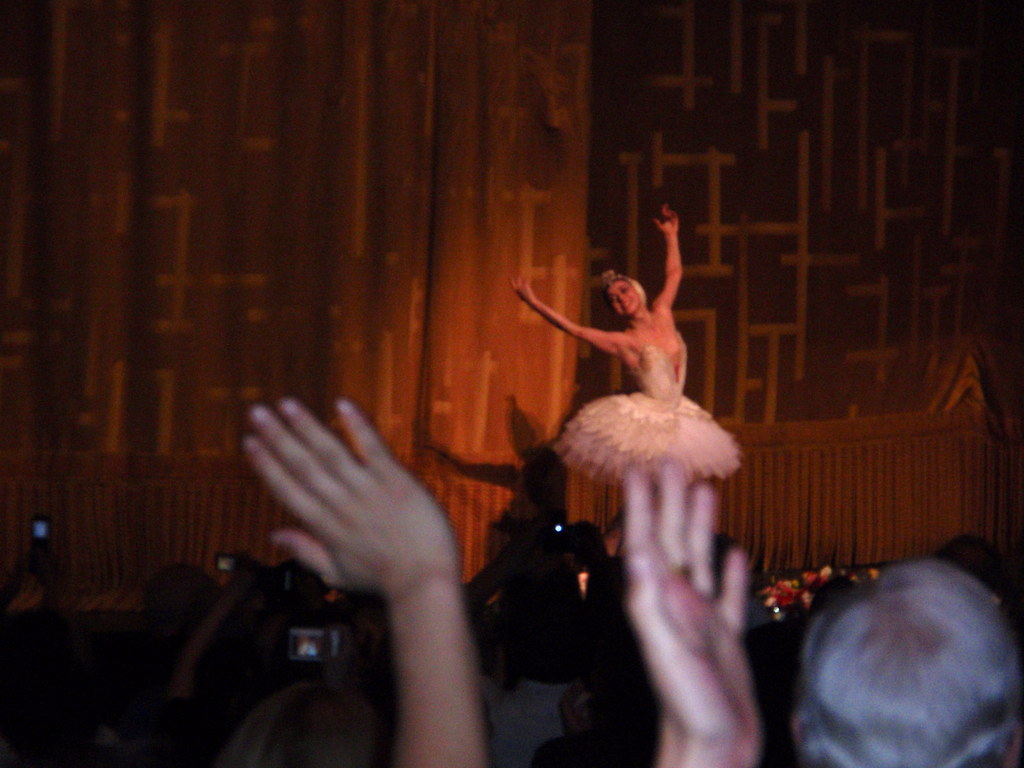
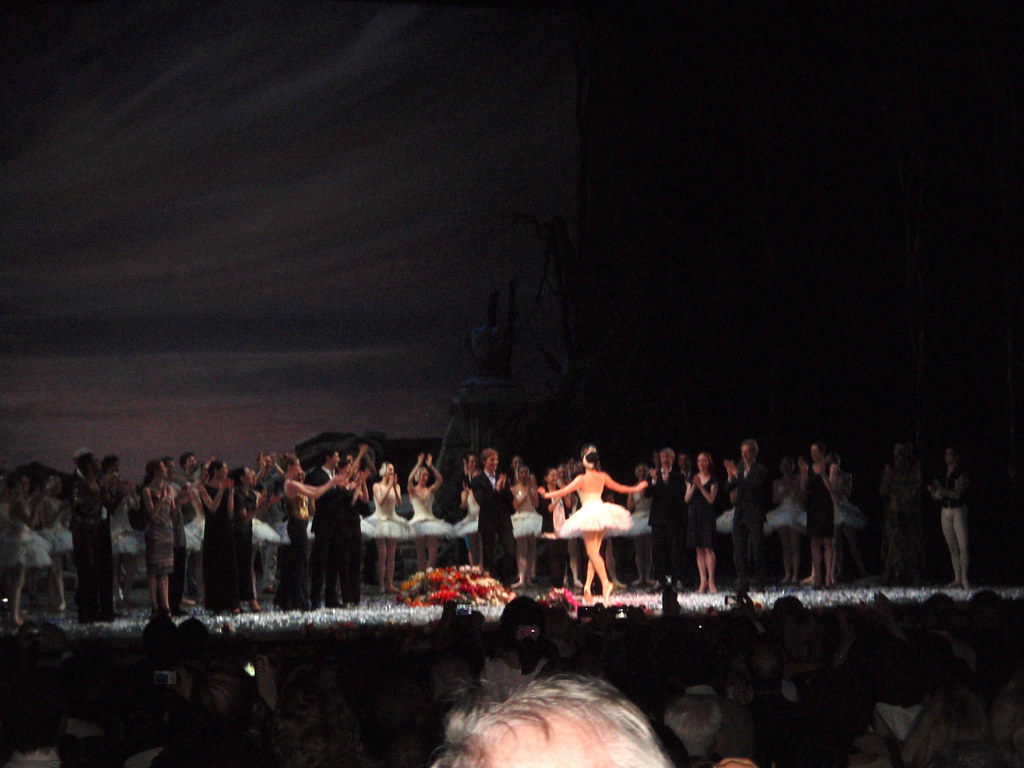
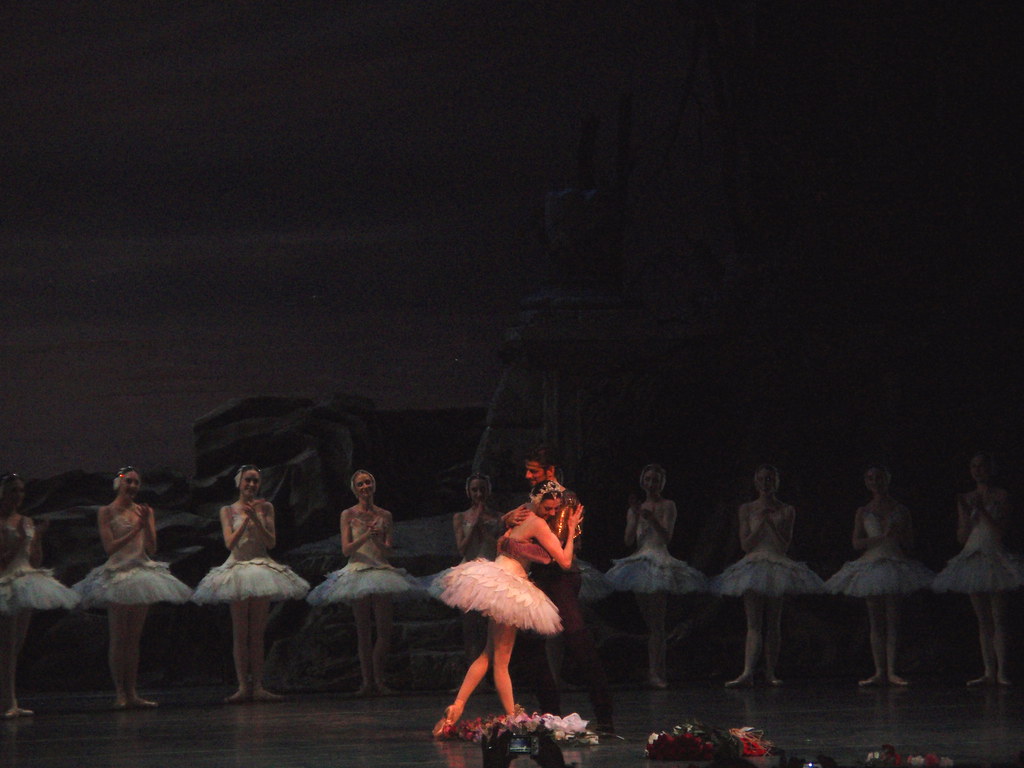
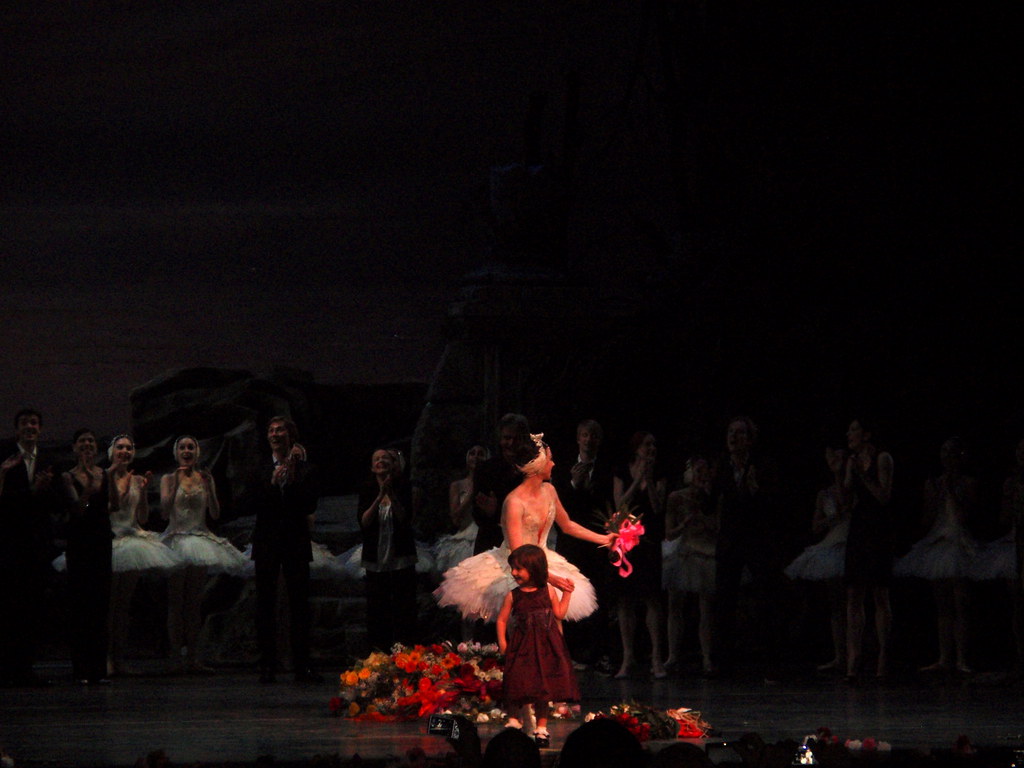
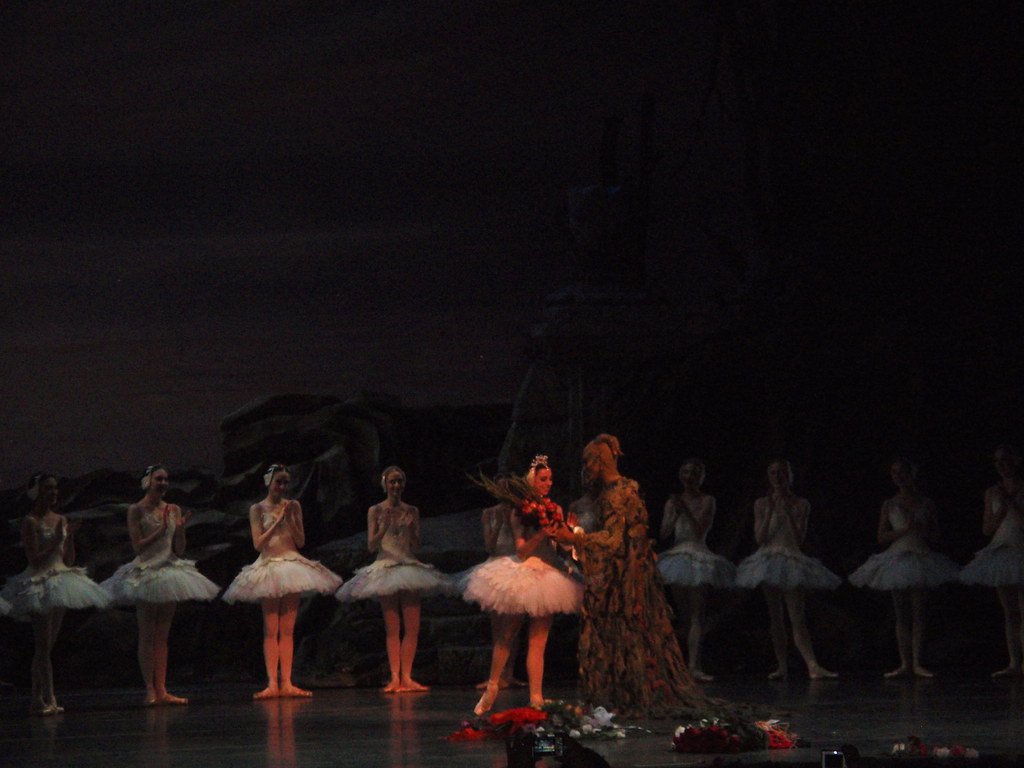
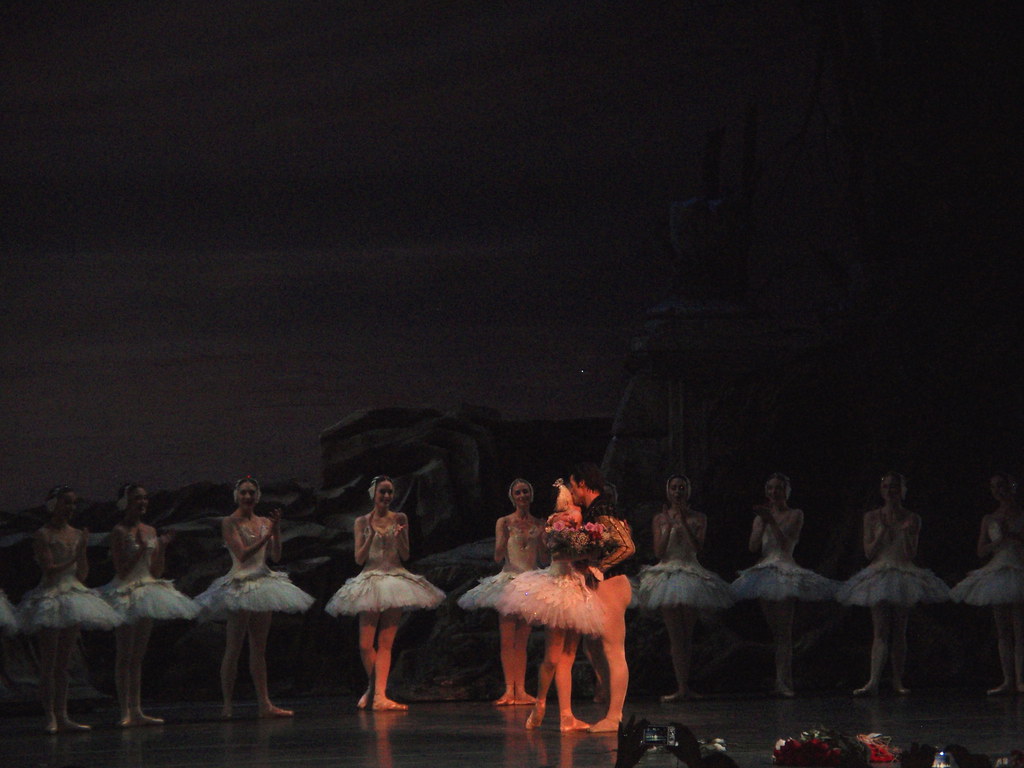
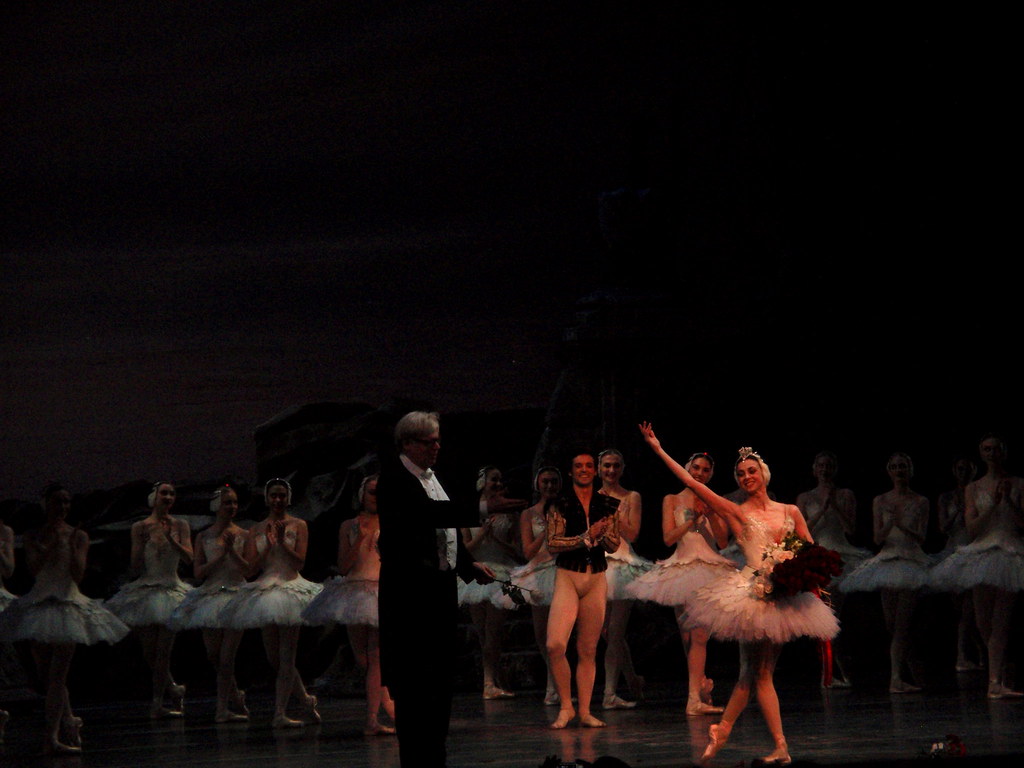
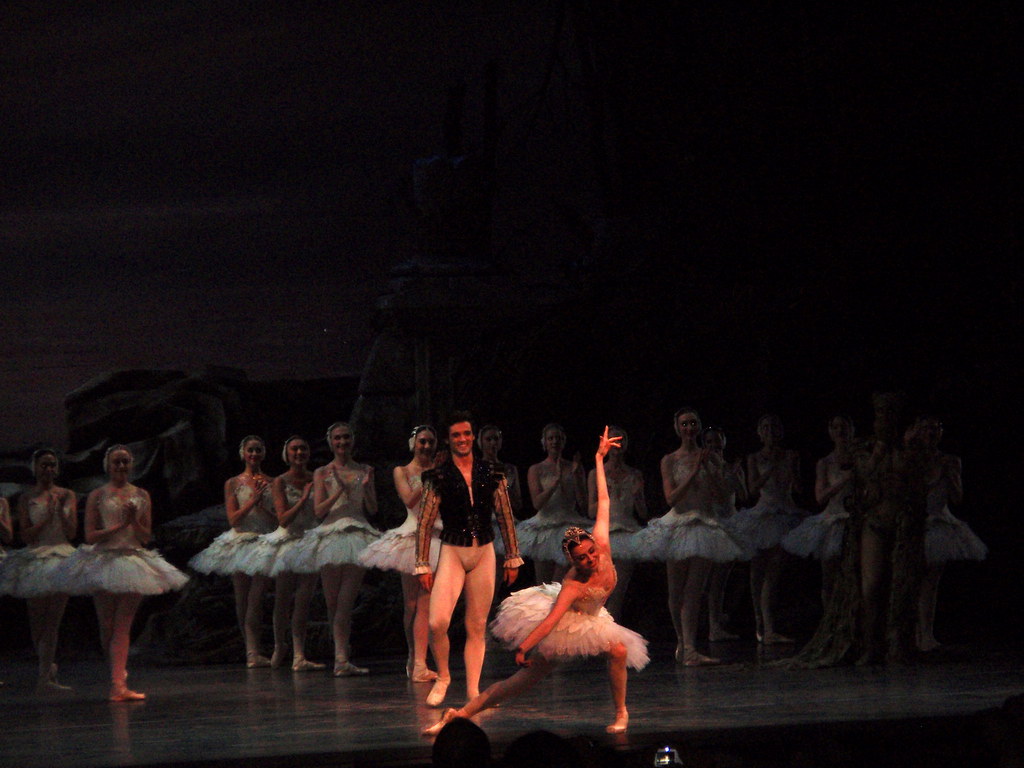
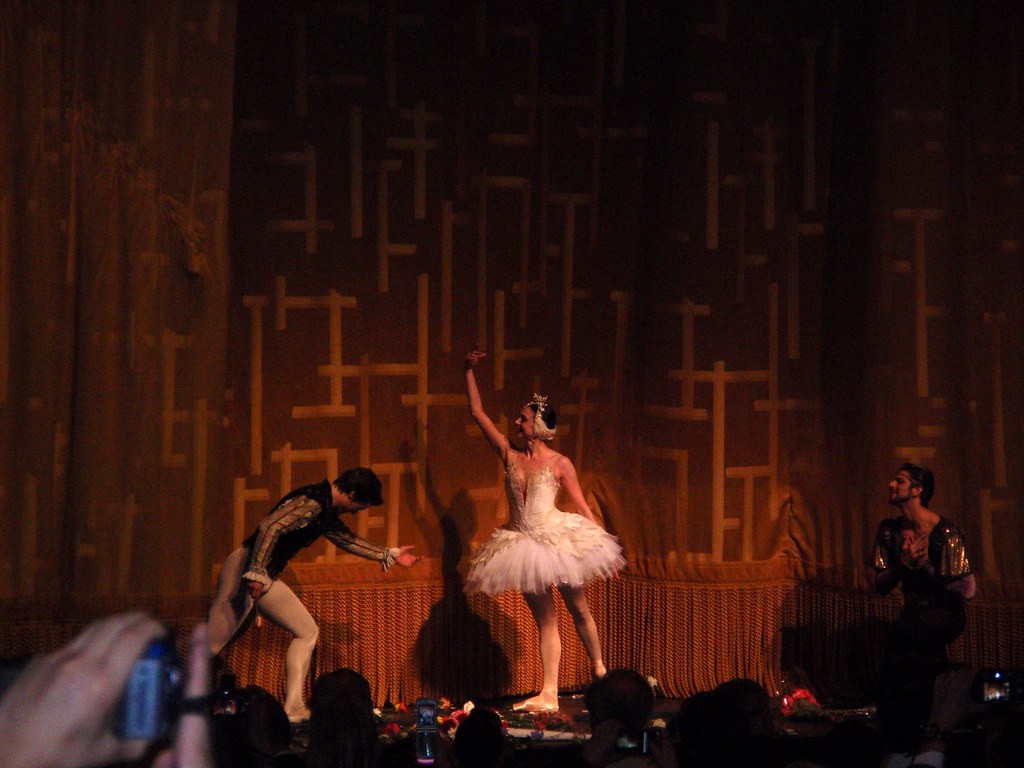
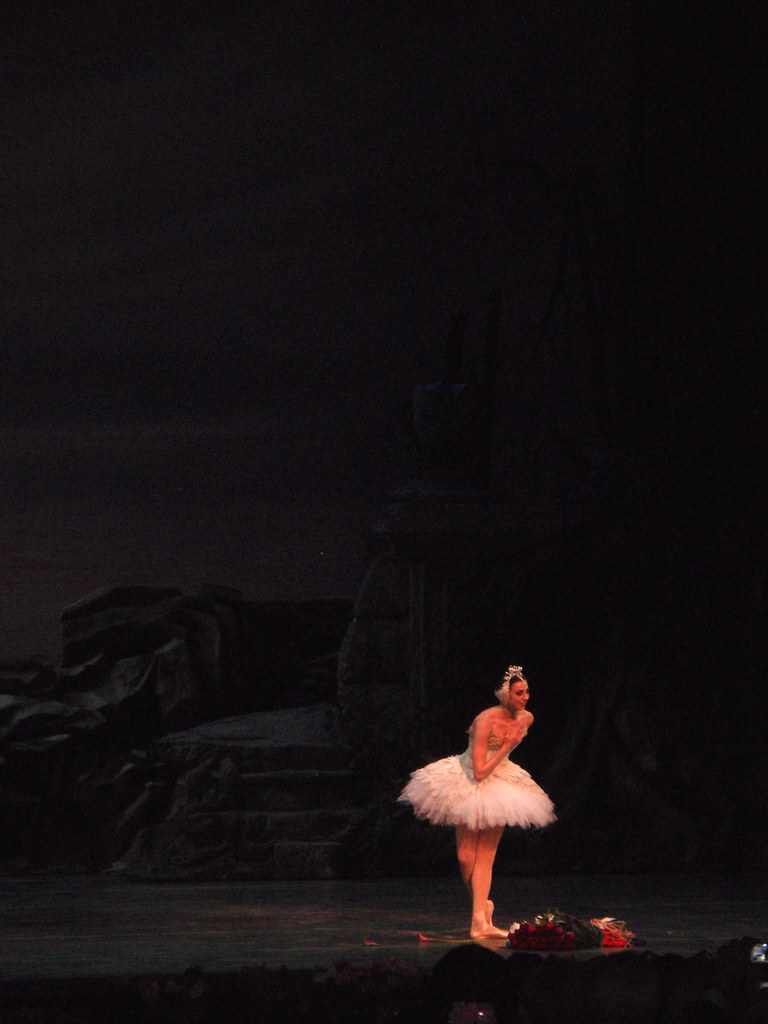
Audience went completely mad during curtain call. There were lots of Italians in that audience, at least where I was sitting. Practically the whole orchestra rose in standing ovation while the curtain was still going down on the final act. When Roberto came out for his solo bow it was pandemonium people were cheering so loudly!